Q: What is the fundamental difference?
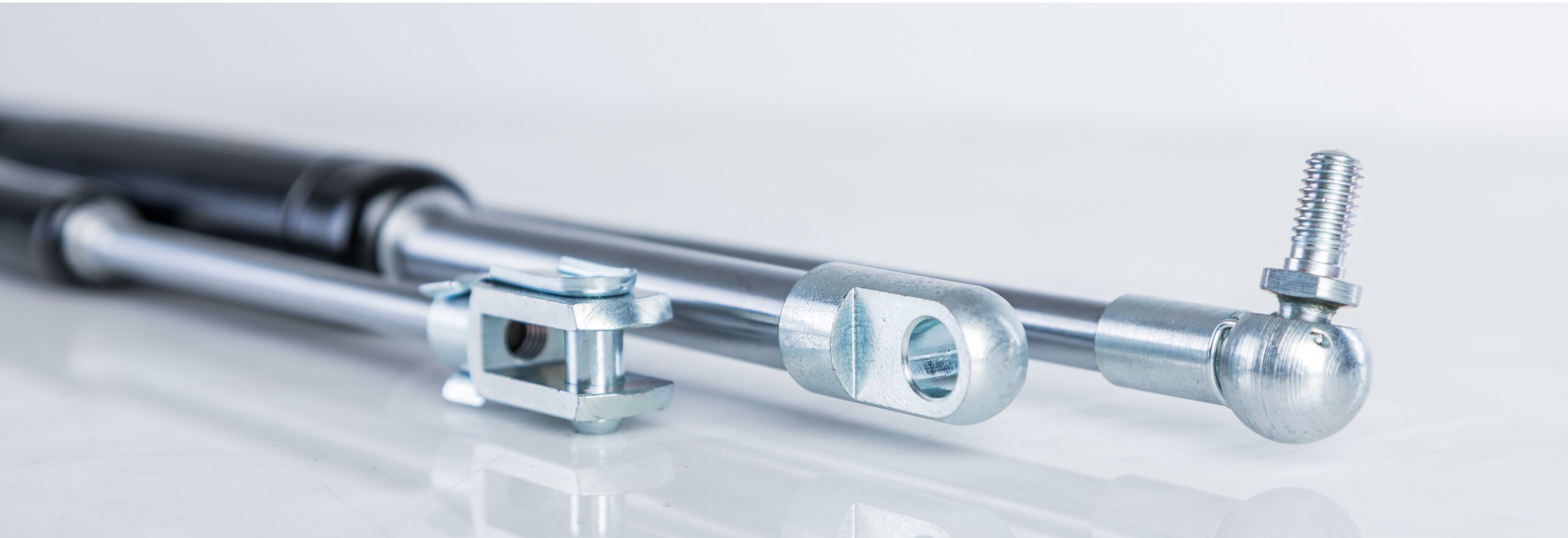
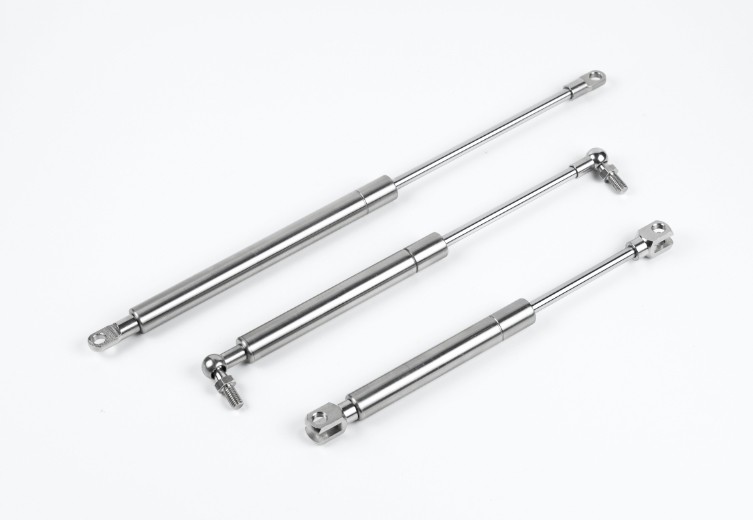
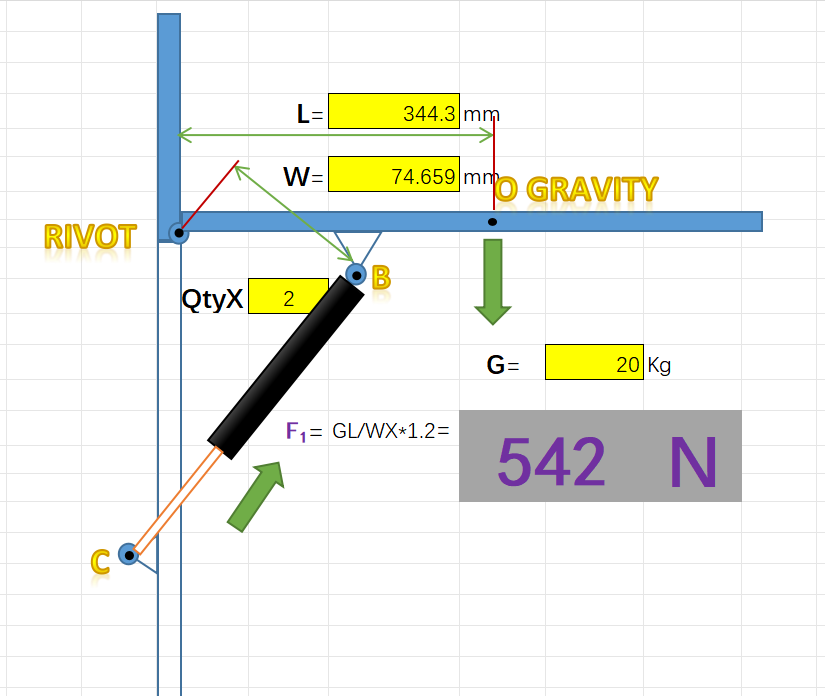
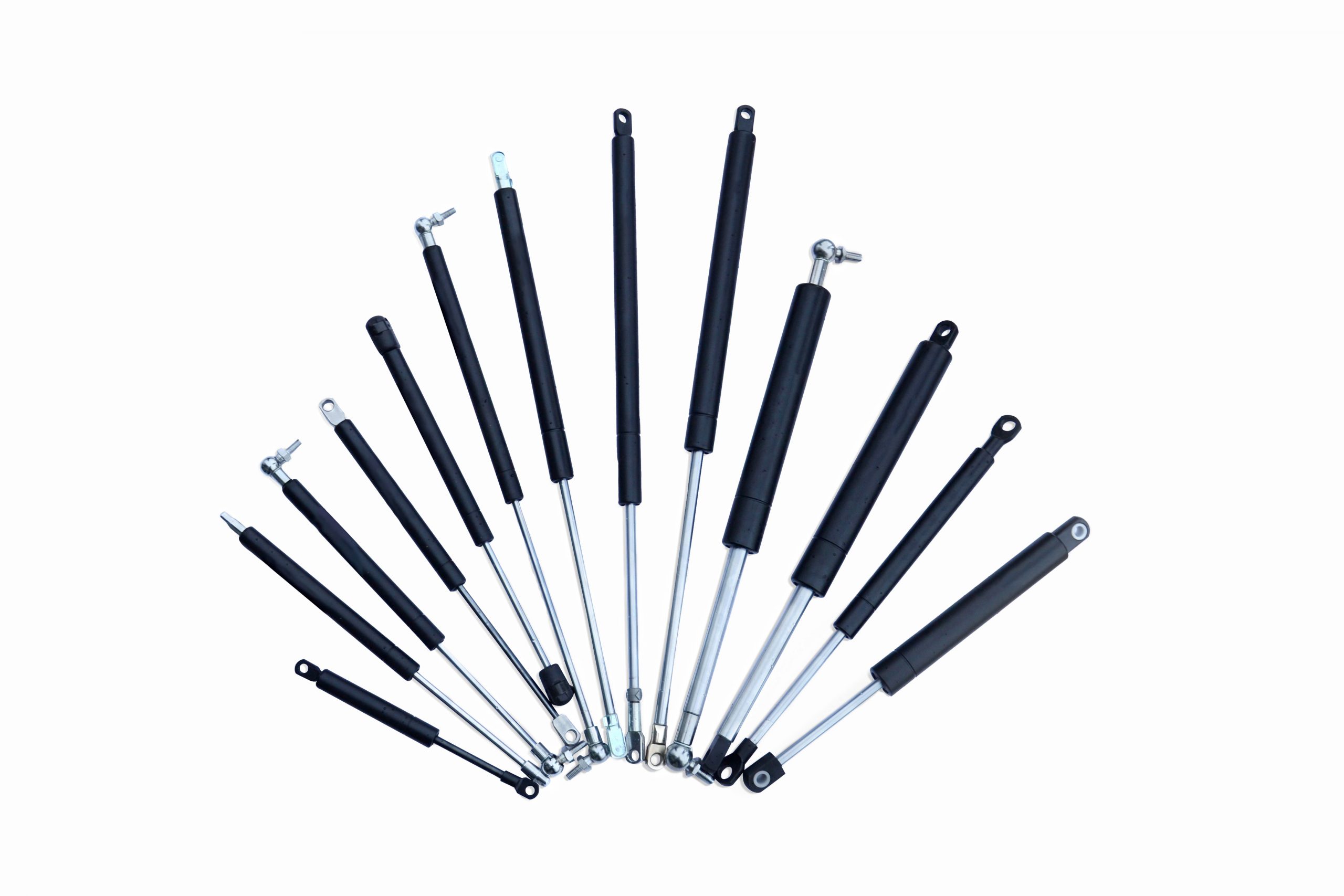
A: Standard gas springs primarily provide support force, while damped gas springs also control movement speed. Damping is created by oil volume, flow passages, metering features, or other internal structures; exact performance must be confirmed from the manufacturer’s data.
Q: Which applications are better suited to damped gas springs?
A: Use damped versions when slow, smooth, and impact-resistant movement is important, such as for medical equipment, machinery guards, controlled lids, and precision mechanisms. Standard versions are suitable when the main requirement is lifting or support and speed is not critical.
Q: What should be checked for horizontal or inverted mounting?
A: Conventional damping may be affected by oil position. For horizontal, inverted, or multi-angle movement, confirm whether the design uses floating separators, dual chambers, or an all-position damping solution, and validate the full range with prototypes.
Conclusion: If the problem is insufficient force, evaluate a standard support spring first. If the problem is excessive speed, impact, or noise, evaluate damping instead of simply increasing the force rating.