Q: What is the difference between a locking and a standard gas strut?
A: A locking gas strut adds a valve-controlled locking mechanism that can hold a load at a selected point in the stroke. When released, gas can flow again and the strut can extend or compress.
Q: What is the difference between rigid and elastic locking?
A: Rigid locking prioritizes positional stability and suits adjustable desks, heavy lids, and industrial equipment. Elastic locking allows limited movement to absorb impact and is often preferred for medical beds, seating, and comfort-focused applications.
Q: How should force and stroke be selected?
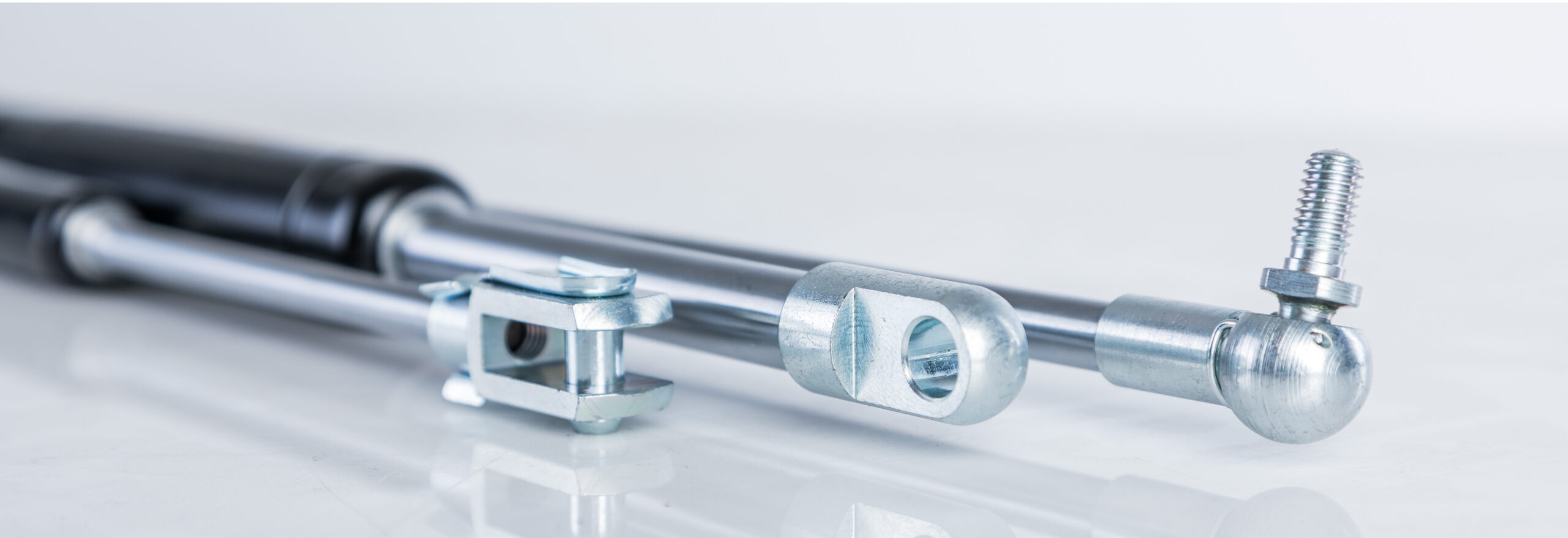
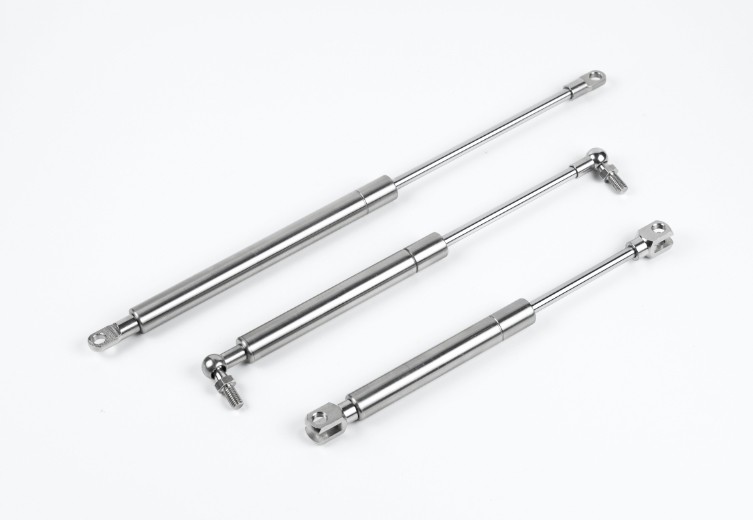
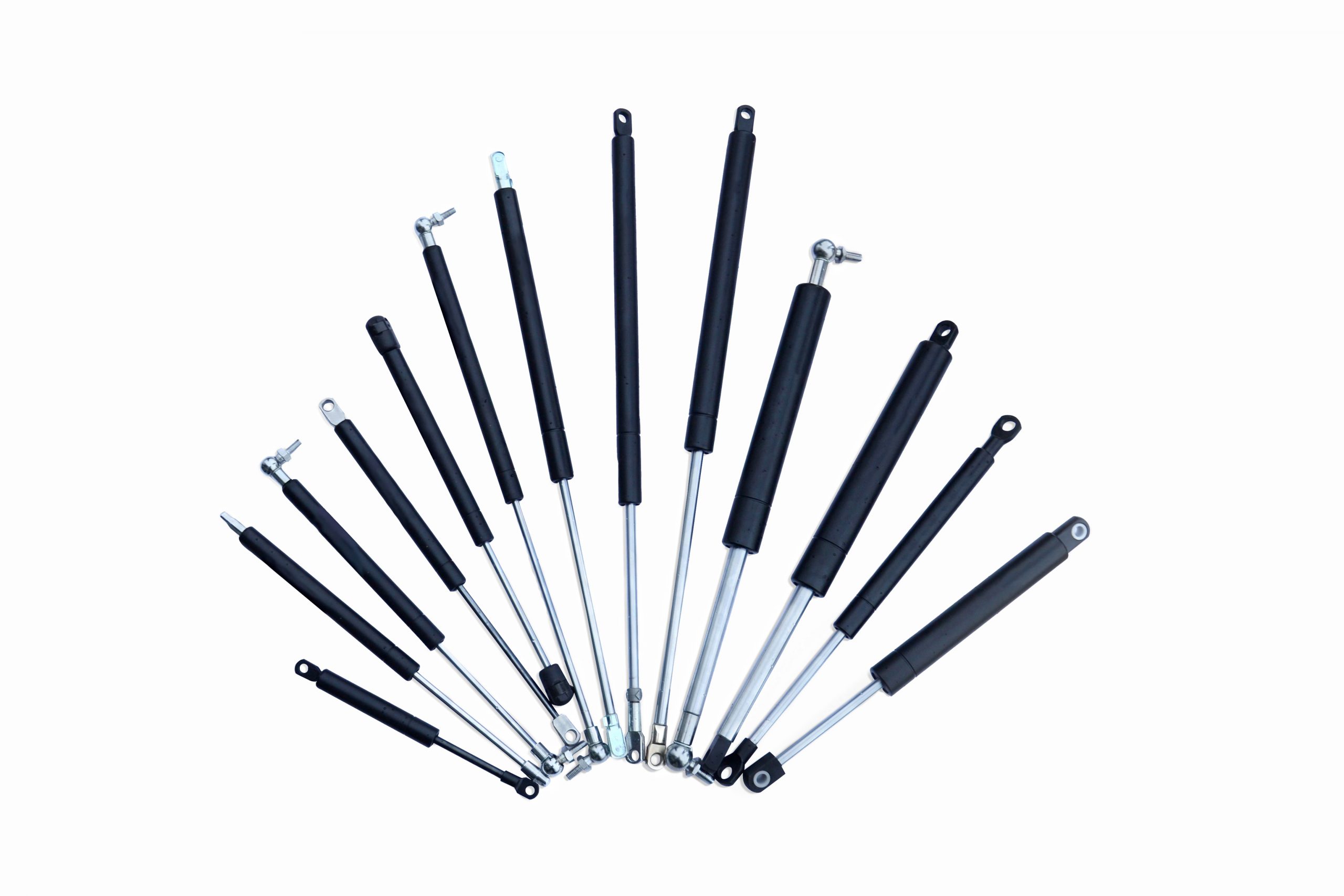
A: Estimate force from load, center-of-gravity distance, and mounting distance, then verify stroke, locking range, fittings, material, and release operation. An undersized strut may sag, while an oversized one can make adjustment difficult.
Conclusion: Choose a locking gas strut when the load must be held at an intermediate position. Decide between rigid and elastic locking first, then match force, stroke, fittings, and environment.